

From planning your itinerary, to spending money and staying connected, here’s what you need to know before visiting Australia.
I remember flying from the UK to Adelaide for the first time, and being mesmerised by the colours out of the plane window. The landscapes were a deep red and orange, with all the famous tones of the ‘outback’ as it’s called down under. We didn’t visit Uluru, but we did make it to some amazing and varied lands. We squeezed in trips to vineyards, Aboriginal landmarks and vibrant cities, including Sydney and Adelaide.
One of the biggest lessons from my own trip was not to underestimate travel times. A route that looks relatively short on a map can eat up most of a day, so I found it much more enjoyable to slow down and properly explore each area.
This guide is the one I wish I had before my own trip: a proper overview of what to expect, how to prepare, and which corners of the country are genuinely worth your time, drawn from my own weeks spent moving between Adelaide, the wine regions of South Australia, and Sydney. I’ll also share some of my top tips for staying connected, including how to set up an Australia eSIM, so you’re ready to start your adventure when you land.
Planning Your Trip to Australia: The Basics
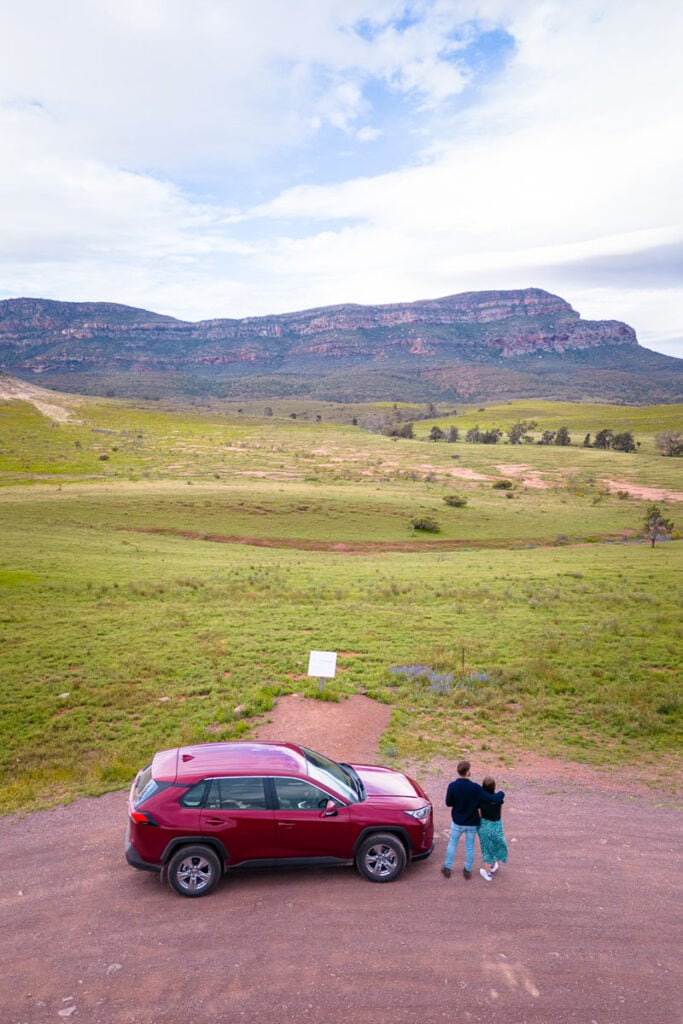
Australia’s size is the single biggest thing to factor into your itinerary. Perth to Sydney covers roughly the same distance as London to Moscow, and internal flights are often the easiest way to move between regions. Rather than attempting to see the entire country in one trip, I would encourage picking a region or two and spending a decent amount of time exploring them.
A few practical points worth knowing before you go:
Currency: You’ll be using the Australian Dollar (AUD). Card payments are accepted in most places, even at small cafés and market stalls, so you’ll barely need any cash.
Visas: some visitors require an eVisitor or ETA visa, which you can organise online before you travel. Don’t wait until you’re at the airport!
Time zones: Australia spans three time zones, so double check timings if you book flights or tours between states.
Seasons: Australia’s seasons run the opposite to the UK. December marks the height of summer, while July brings winter, which is pretty mild in most coastal areas, but can get quite cold in Tasmania and the Snowy Mountains.
Driving: If you’re from the UK, you’ll be pleased to hear that cars also drive on the left in Australia. This made our lives so much easier on our last trip!
Unmissable Spots in Australia
Sydney
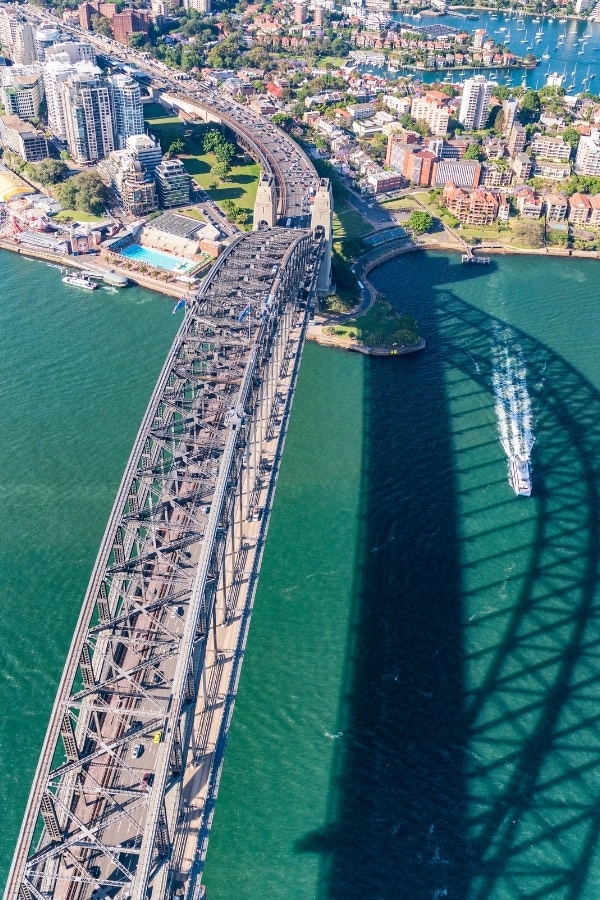
Sydney definitely lives up to its reputation. I felt like I was in a movie as I saw sights such as the Opera House and Harbour Bridge for the first time. I also loved how outdoorsy the city was, with a favourite experience being the day we took the ferry to Manly for beach time. It’s such a beautiful spot and feels worlds away from the busy city. I also loved the coastal walk from Bondi to Coogee, ticking off iconic sights such as Bondi Icebergs swimming pool.
Adelaide
This city rarely receives the attention it deserves, but I really liked it. While Sydney and Melbourne are top of most itineraries, Adelaide has more of a cool, local, understated charm. We spent an afternoon on a food tour of Adelaide Central Market, which was one of my favourite experiences on the trip.
South Australia’s Wine Regions
From Adelaide, it is a short drive to the wine regions of South Australia, namely the Barossa Valley and McLaren Vale. We loved visiting some of the family-run wineries where the person pouring your glass was often the same person who made the wine. We discovered so many wonderful wines on this trip, which we’ve continued to buy back in the UK!

Melbourne
Everyone raves about Melbourne! I’m yet to visit but friends living there adore it. There are so many things that appeal, with cool spots dotted all over, festivals, bars, a great food scene, arts culture and more. I always hear what a liveable city it is.
Queensland
Queensland, and the Great Barrier Reef in particular, are on most Aussie bucket lists. Cairns and Port Douglas are convenient bases for reef trips, while the Whitsundays offer a quieter, more scenic alternative for those wanting sailing and secluded beaches over day-trip crowds.
Northern Territory
Uluru, in the Northern Territory’s Red Centre, is unlike anywhere else in the country. Watching the rock change colour at sunrise or sunset is a genuinely amazing experience, and the surrounding area offers a chance to learn about Aboriginal culture and history in a way that few other parts of Australia can match.
Tasmania
Fancy heading to Tassie? It’s not so popular with first-time visitors, as it’s another flight away, but it has some of the best landscapes and wildlife in the entire country. Plus, Hobart’s buzzing food and arts scene has really put it on the map.
Australia Budgeting: How Much Will You Spend?
Australia isn’t the cheapest destination, particularly when you’re travelling from the UK. As a rough guide, I’d budget around AU$200–300 per person per day for a comfortable trip, including accommodation, food, local transport and some activities, but excluding international flights. Budget travellers can get by on around AU$90–140 a day, particularly if you’re staying in hostels and cooking some of your own meals.
Accommodation is likely to be your biggest expense, with a typical hotel room averaging around AU $215 a night, while food works out at roughly AU $87 per person per day based on recent traveller spending. Australia is huge too, so don’t forget to factor in domestic flights or car hire if you’re planning to cover several regions.
Getting Connected: What Is an eSIM and How Does It Work?
Once you’ve decided where to visit, it’s time to figure out how to stay connected while you’re there. Many UK phone networks will charge you expensive roaming fees in Australia, so it’s best to organise an eSIM before you go.
An eSIM (embedded SIM) is a digital SIM downloaded to your phone. Gone are the days of having to shop for SIM cards when you arrive in a destination. Now you download a data plan onto your device before you leave.
I love how easy they are to set up. Once you’ve purchased your eSIM, you’ll receive a QR code on email. Scan this and it’ll download the esIM to your phone. You simply activate it when you arrive in the destination. Super easy!

Main Advantages of an eSIM
1. Instant activation: Install the eSIM before you fly and activate it the moment you land.
2. No crazy roaming fees: An Australia data plan for tourists will cost you a lot less than standard roaming rates from a home network.
3. Keep your existing number: Many eSIMs allow you to run your regular SIM alongside the local one, so you can still receive calls and texts.
4. Flexible plans: Most providers allow you to top up or extend your data allowance if your trip runs longer than planned.
How to Get an eSIM
- Confirm your phone is eSIM-compatible. Pretty much all are, especially if you have a recent iPhone or Android phone.
- Choose the right data plan for you – these can range from a few GB to unlimited.
- Purchase your eSIM online and receive your QR code by email.
- Scan the code in your phone’s settings before departing.
- Land, activate the plan and you’ll be connected immediately.
Yesim offer some great eSIMs for Australia, which are reasonably priced and simple to set up. Coverage held up well from Adelaide through the wine regions and into Sydney, which is not always guaranteed once you move beyond the major cities.
How Does It Compare to Other Options?
When weighing up connectivity options, the choice generally comes down to three routes: purchasing a physical SIM after arrival, remaining on your home network’s roaming service, or arranging an eSIM in advance.
Buying a local SIM on arrival typically means queuing after a long flight and finding a shop that stocks what you’re looking for. Staying on your home network’s roaming is the simplest option in theory, but is often really expensive. An eSIM would be my pick, as you’ll save money but have the convenience of being connected as soon as you land.
FAQ
Does an eSIM work in lots of countries?
Most established eSIM providers offer coverage across the world, making it a great choice for multiple trips.
How is Yesim different from other providers?
Yesim stands out for its clear pricing, simple setup process, and reliable coverage even outside major cities, which mattered most while travelling through the South Australian wine regions.
Do I need a new eSIM for every country I visit?
Not always. Many providers, offer regional or multi-country plans, so a trip combining Australia with New Zealand or parts of Southeast Asia may only require a single plan.
Is there a Yesim discount available?
I’ve managed to organise a 10% discount for your next Yesim plan. When you arrange your Australia eSIM before you fly, use the code YESIMADS10 and you’ll save money straight away.
I hope you have a brilliant time in Australia. The adventures I had there were truly unforgettable. I’m sure you’ll feel the same!